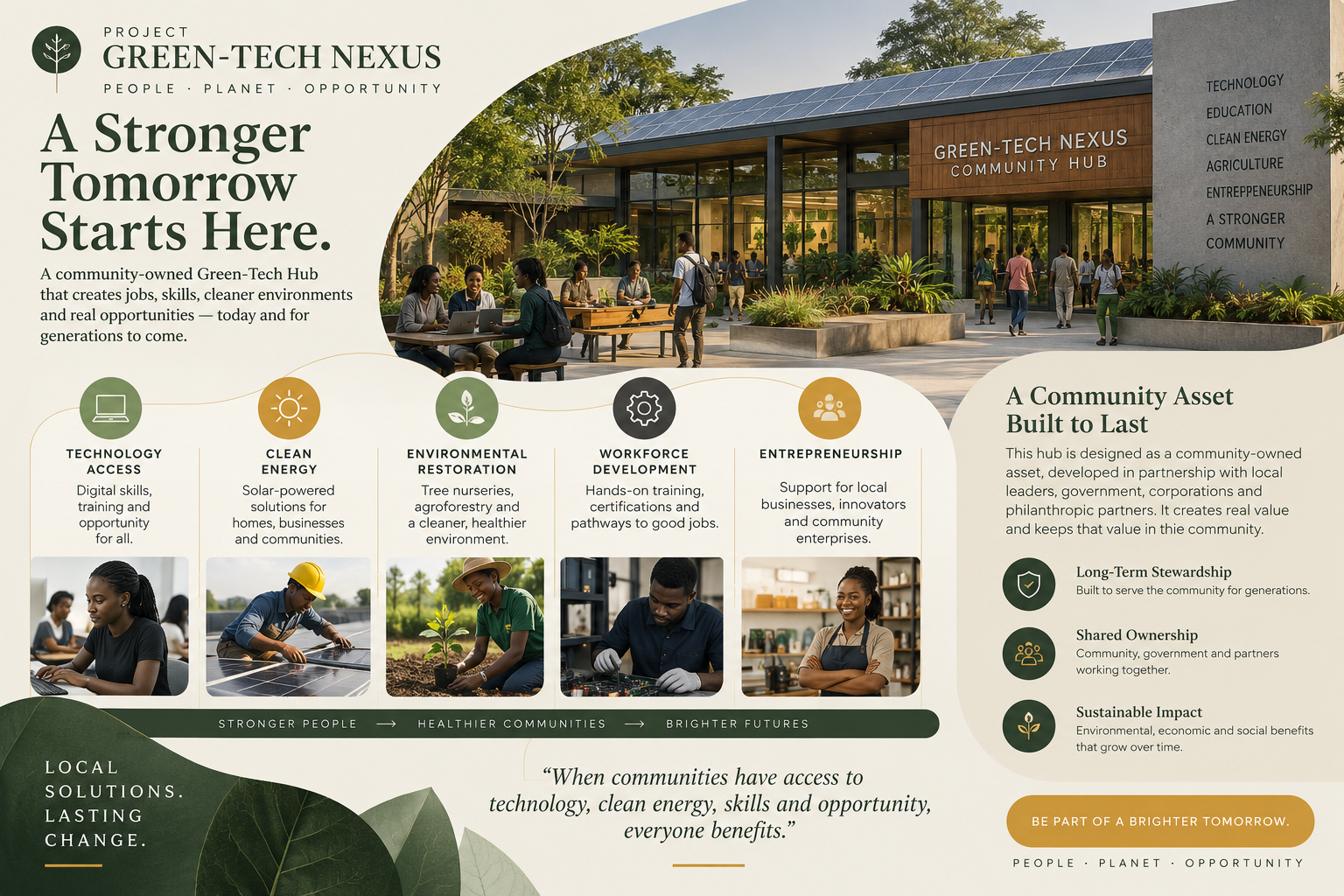
People. Technology. Environment. Opportunity.
A scalable, self-sustaining community hub model connecting clean energy, circular technology, food security, environmental restoration, digital inclusion and local economic opportunity.
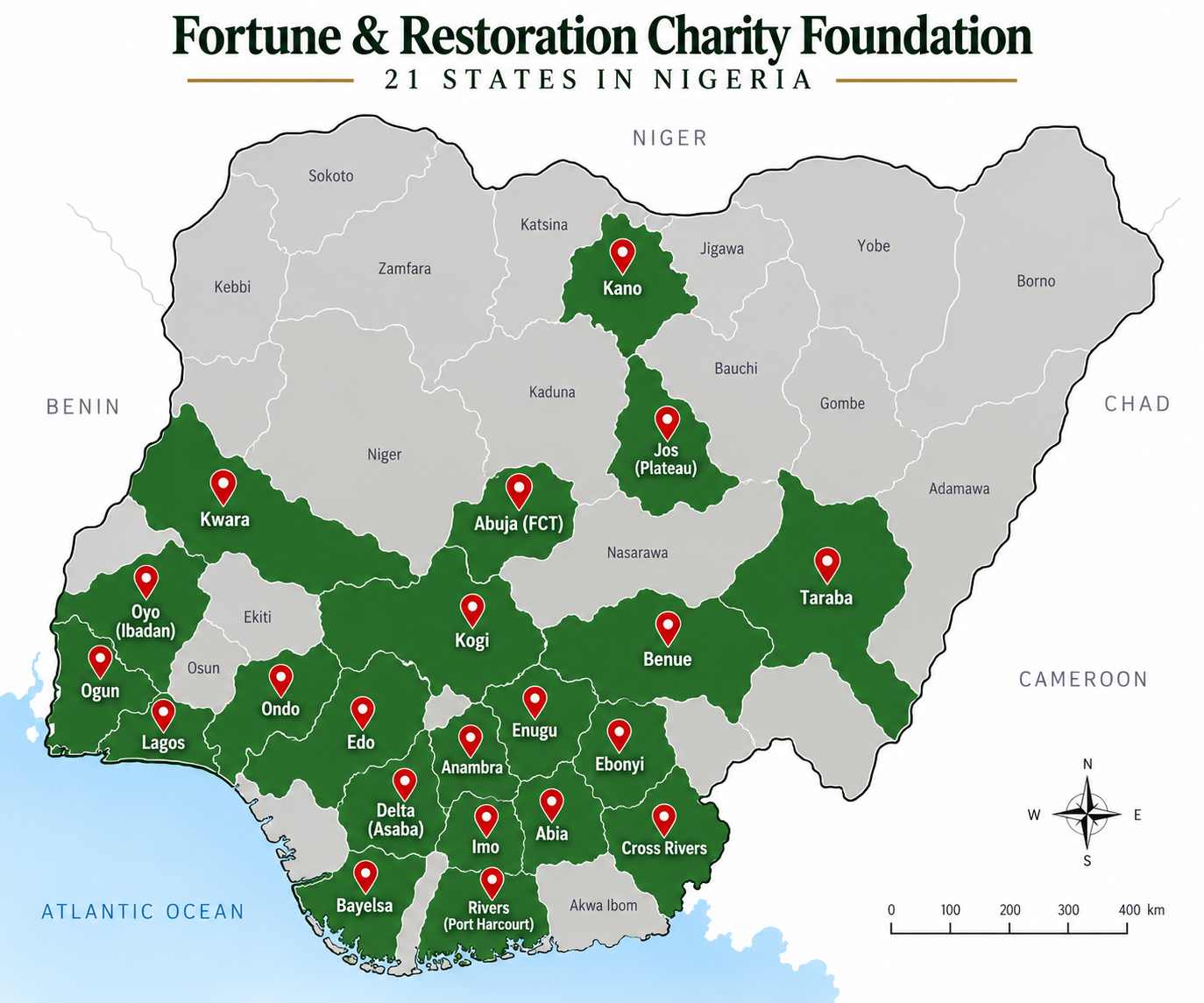
Green-Tech Nexus builds on Fortune & Restoration Charity Foundation's established community presence and field partnerships. The Taraba State initiative provides an important field reference as the organization develops a scalable community-hub model.
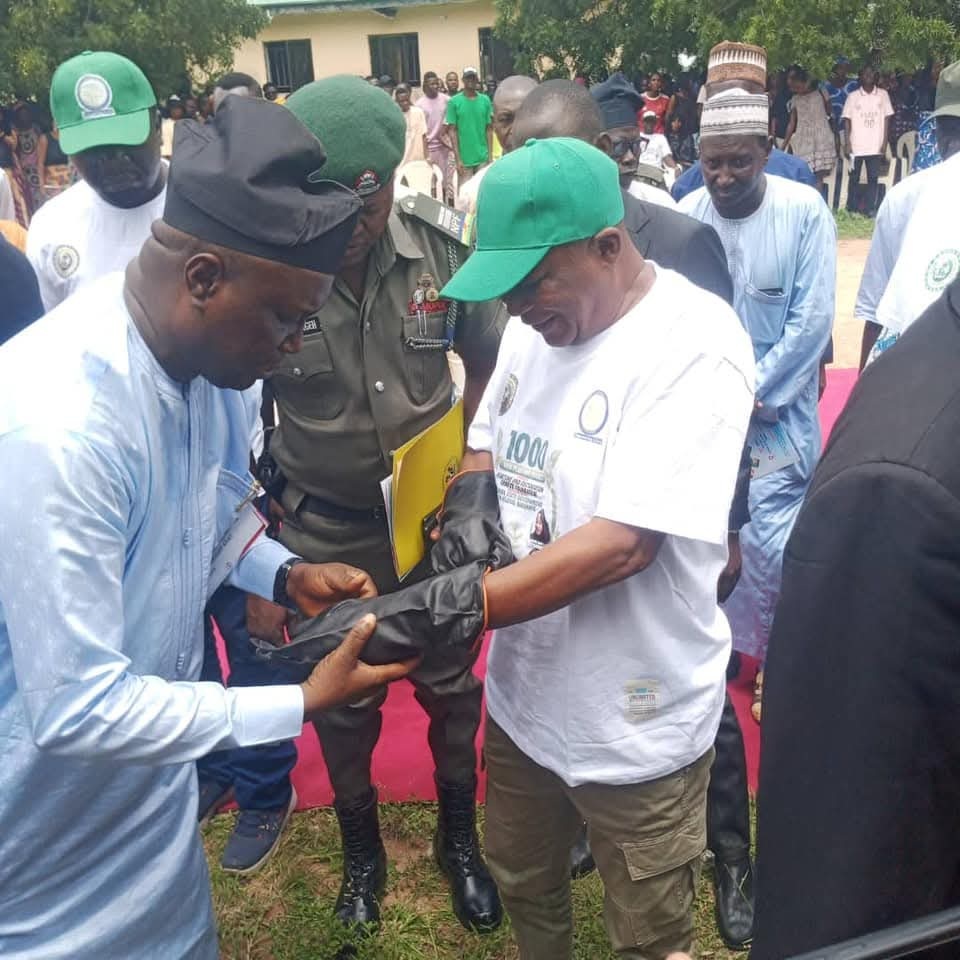
The Green-Tech Nexus vision is not being developed in isolation. The foundation's work includes environmental initiatives, community engagement and collaboration with local stakeholders in Nigeria.
These experiences inform the next step: creating permanent infrastructure where technology, environmental restoration, education and economic opportunity can reinforce one another.
See the Development RoadmapThe model connects systems that are often funded and operated separately—creating a shared physical platform for services, skills, technology and environmental resilience.
Solar-powered infrastructure designed to support reliable services, digital access, charging, water systems and productive community activity.
Device refurbishment, repair training and responsible e-waste handling turn discarded hardware into useful technology and workforce opportunity.
Tree nurseries, agroforestry, soil restoration and community food production integrate environmental restoration with local livelihoods.
The following photographs document foundation activities and environmental work in Nigeria. They provide the human context behind the infrastructure model.
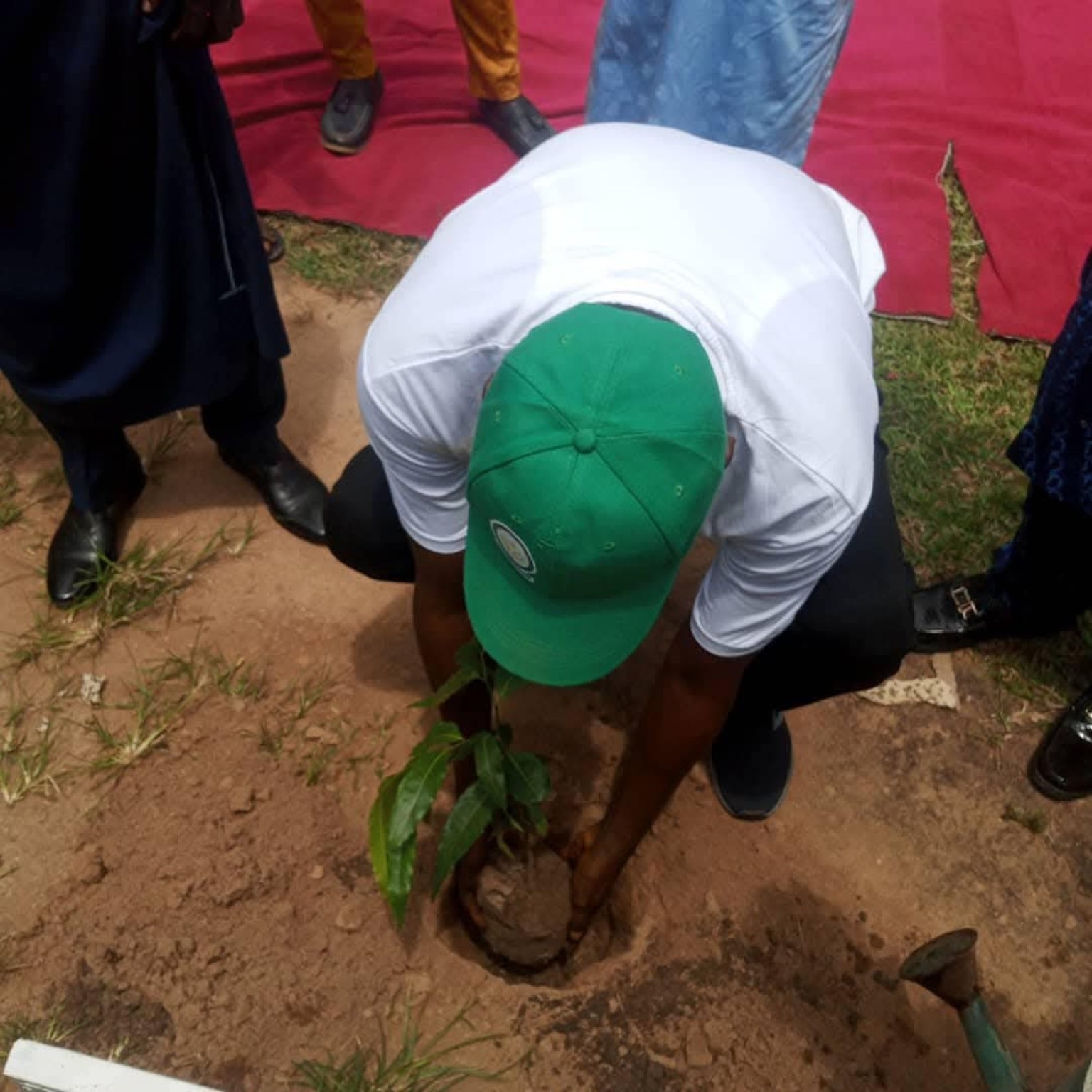

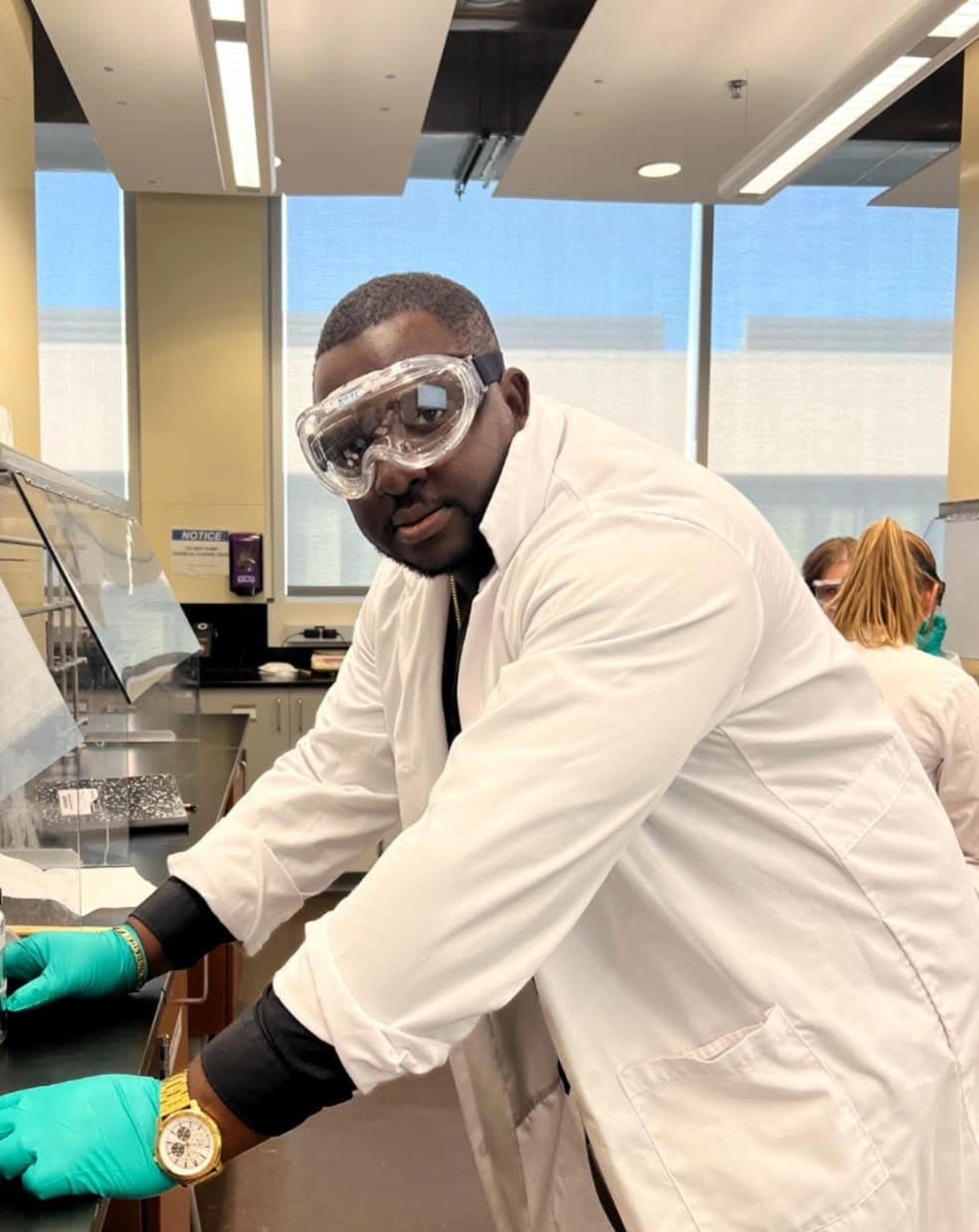
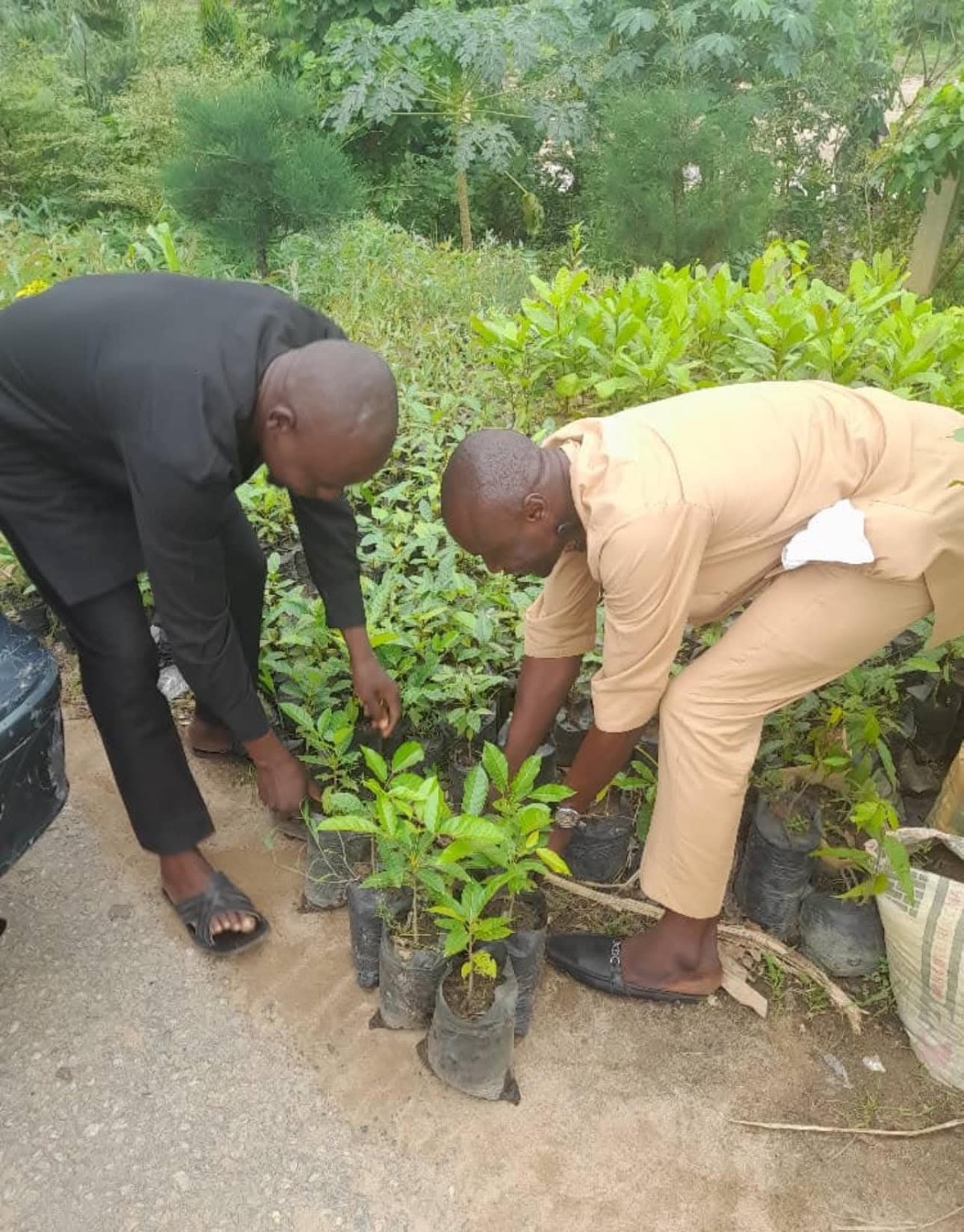
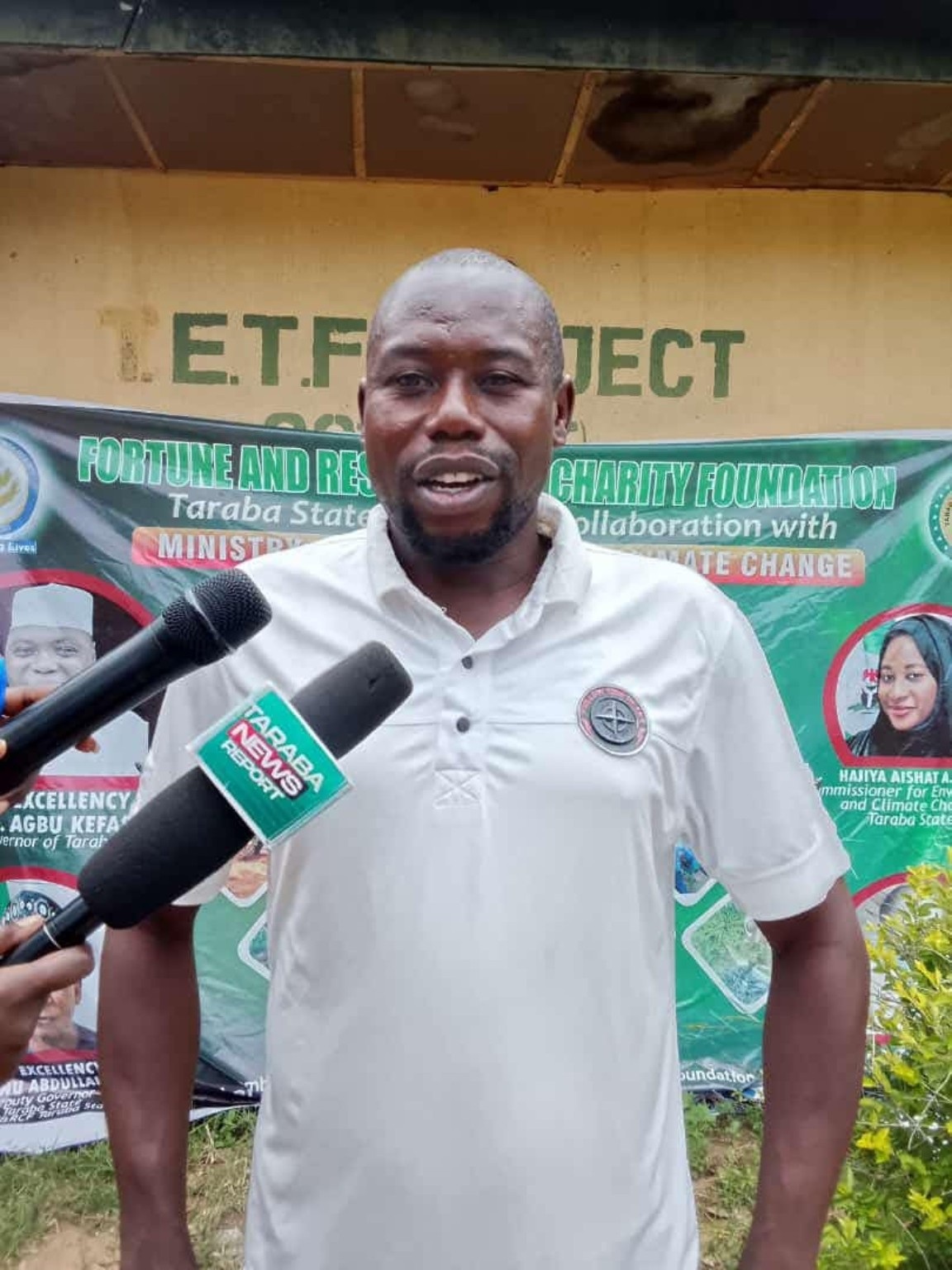
Seven operating stages and five implementation phases from field operations through national network scale.
Explore the modular, scalable, off-grid hub blueprint and its circular technology, climate, data and community functions.
Review donor, technology, corporate and government partnership pathways supporting the next stage of Green-Tech Nexus.
ESG, CSR and technology partnership opportunities focused on circular electronics, digital equity and workforce development.
Climate security, youth livelihoods, rural digital infrastructure and co-funding pathways for public and development partners.
The model brings multiple services into one resilient physical platform so that infrastructure, skills, technology, agriculture and environmental restoration reinforce one another.
Component-level repair, e-waste processing, hardware skills academy and certified refurbished-device distribution.
Native sapling propagation, soil and agro-testing, land stabilization and climate-smart agricultural support.
Mobile intake, impact tracking, state data logs, partnerships and evidence to guide replication and policy engagement.
We welcome donors, technology companies, foundations, institutions and implementation partners interested in helping build the next stage of the model.